Ear wax is one of the body`s most underappreciated defences — a natural, self-cleaning mechanism that traps dust, bacteria, and debris before it can reach the delicate eardrum. But for an estimated 2.3 million people in the UK each year, earwax becomes a problem rather than a protector. When wax accumulates faster than the ear can clear it, the result is impacted earwax — a blockage that can cause muffled hearing, earache, tinnitus, dizziness, and a persistent feeling of fullness in the ear. Until recently, most people would visit their GP for ear syringing, a quick procedure available free on the NHS. But the landscape has changed dramatically. Since 2020, the majority of GP practices in England have stopped offering ear wax removal, following guidance from NHS England that reclassified ear syringing as a procedure of limited clinical value. The result has been a surge in demand for private ear wax removal — and three main options have emerged to fill the gap.
Specsavers Ear Wax Removal
Specsavers is the UK`s largest hearing care provider, with over 600 stores offering audiology services across England, Scotland, Wales, and Northern Ireland. The majority of these stores now offer ear wax removal by microsuction, performed by trained and HCPC-registered hearing care professionals.
Cost: Approximately £55 for one ear or £75 for both ears. Prices may vary slightly by location and are subject to change — always confirm when booking.
Method: Specsavers uses microsuction as its standard method. The practitioner examines your ear canal using an otoscope or video otoscope, then uses a fine, low-pressure suction probe to gently remove the wax under direct vision. Microsuction is widely considered the gold standard in ear wax removal — it is precise, safe, and does not involve water, making it suitable for patients with perforated eardrums, grommets, or a history of ear surgery.
Booking: Appointments can be booked online through the Specsavers website, by calling your local store, or in some locations by walking in. Online booking typically shows same-week availability, though this varies by area and demand. No GP referral is required.
Preparation: Specsavers recommends using olive oil drops for three to five days before your appointment to soften the wax. Two to three drops in each affected ear, twice daily, is the standard recommendation. This significantly improves the chances of complete removal in a single appointment.
What to expect: Appointments typically last 15 to 30 minutes. The hearing care professional will begin by examining your ears with an otoscope to assess the amount and consistency of the wax. They will then perform the microsuction procedure, which most patients describe as a loud but painless sucking sensation. Aftercare advice is provided, including how to manage future wax buildup. If your wax is too hard or deeply impacted for safe removal, you may be asked to continue with olive oil drops and return for a follow-up appointment — this follow-up is usually included in the original fee.
Specsavers also offers hearing tests at the same appointment if you are concerned that your hearing has not fully returned after wax removal. This combined service is particularly convenient — if wax was masking an underlying hearing issue, it can be identified immediately.
Boots Hearingcare Ear Wax Removal
Boots Hearingcare operates within selected Boots pharmacy stores across the UK, offering hearing tests, hearing aids, and ear wax removal alongside Boots` broader health and pharmacy services.
Cost: Approximately £55 to £70 per ear for microsuction. Prices vary by location and may change — check the Boots Hearingcare website or call your nearest participating store for current pricing. Boots occasionally runs promotional offers, and Boots Advantage Card points may apply to some services — worth asking about when booking.
Method: Boots primarily uses microsuction, the same technique used by Specsavers and most private ear care providers. Some Boots locations may also offer electronic irrigation where clinically appropriate — this method uses a controlled pulse of warm water to flush out softer wax and is a more modern, gentler alternative to the old-style ear syringing that GPs used to perform.
Booking: Appointments can be booked online via the Boots Hearingcare website or by phone. No GP referral is required. Availability depends on your area — not all Boots stores offer audiology services, so check online for your nearest participating location. Waiting times are typically one to two weeks, though same-week appointments may be available in some areas.
Preparation: Boots recommends pre-treating with olive oil or sodium bicarbonate drops for several days before your appointment. Sodium bicarbonate drops (available over the counter at any pharmacy, including Boots) are an alternative to olive oil and work by dissolving the wax rather than simply softening it. Both are effective — your pharmacist can advise on which is more suitable for you.
What to expect: A qualified hearing care professional performs the procedure in a clinical setting within the Boots store. The appointment includes an ear examination, wax removal, and aftercare advice. If your hearing does not fully return after wax removal, Boots can offer a hearing assessment at the same visit or schedule a follow-up — a significant convenience if you suspect wax is not the only factor affecting your hearing.
Ready to get your hearing checked?
Enter your postcode to compare audiologists and book today.
Find appointments →Independent Audiologists and Ear Care Specialists
Hundreds of independent audiologists and ear care practitioners across the UK offer ear wax removal services, often from dedicated clinics, private audiology practices, or mobile and domiciliary services. This is a diverse sector ranging from sole practitioners working from a single clinic room to multi-location practices with teams of specialists.
Cost: Typically £40 to £90 per session (one or both ears), though prices vary by region, practitioner, and equipment used. Some charge per ear; others offer a flat rate for both ears regardless. London and the South East tend to be at the higher end of the range, while prices in the North and rural areas are often lower. Many independents offer a free follow-up if the wax cannot be fully removed in the first session.
Method: Most independent practitioners offer microsuction as their primary method. Some also offer irrigation (electronic ear irrigation, not the old-fashioned syringing) or manual removal using curettes and hooks under direct vision. Independent practitioners may use higher-specification equipment than high-street chains, including ENT-grade operating microscopes that provide superior magnification and illumination compared to standard loupes. Some offer endoscopic ear wax removal, where a tiny camera is inserted into the ear canal, allowing both the practitioner and the patient to see the wax and the removal process on a screen in real time.
Qualifications: Look for practitioners who are registered with the HCPC (Health and Care Professions Council), hold BSHAA (British Society of Hearing Aid Audiologists) membership, or have completed accredited ear care training through bodies such as the Ear Care Academy. Many independent ear care specialists hold additional qualifications in aural microsuction and irrigation beyond their core audiology training.
Booking: Online booking, phone, or email. Many independents offer same-week or next-day availability, and some provide home visits for elderly patients, those with mobility difficulties, or anyone who cannot easily attend a clinic. This domiciliary service is a significant advantage over high-street chains, which operate exclusively from fixed locations.
NHS Ear Wax Removal: The Postcode Lottery
The availability of NHS ear wax removal in England is now widely described as a postcode lottery. In 2020, NHS England issued guidance advising GPs that ear syringing was a procedure of "limited clinical value," and many Clinical Commissioning Groups (now Integrated Care Boards, or ICBs) subsequently decommissioned the service. The result is that in many parts of England, no free NHS ear wax removal service exists.
However, the picture is not uniform. Some ICBs still fund community ear care clinics, where patients can be referred by their GP for microsuction or irrigation at no cost. A small number of GP practices continue to offer ear irrigation in-house, particularly in rural areas where private providers are scarce. In Scotland, GP practices generally still offer ear wax removal, though waiting times can be long. Wales and Northern Ireland have their own commissioning arrangements, and availability varies by health board.
To check what is available in your area, contact your GP practice and ask whether they offer ear wax removal or can refer you to an NHS community clinic. If no NHS service is available, the private options described above — Specsavers, Boots, or an independent audiologist — are your alternatives. Some people are eligible for free wax removal through their NHS audiology department if they are existing hearing aid users — the department will typically clear wax as part of routine hearing aid maintenance.
What Happens During Microsuction
Whether you choose Specsavers, Boots, or an independent practitioner, the microsuction procedure follows a broadly similar pattern:
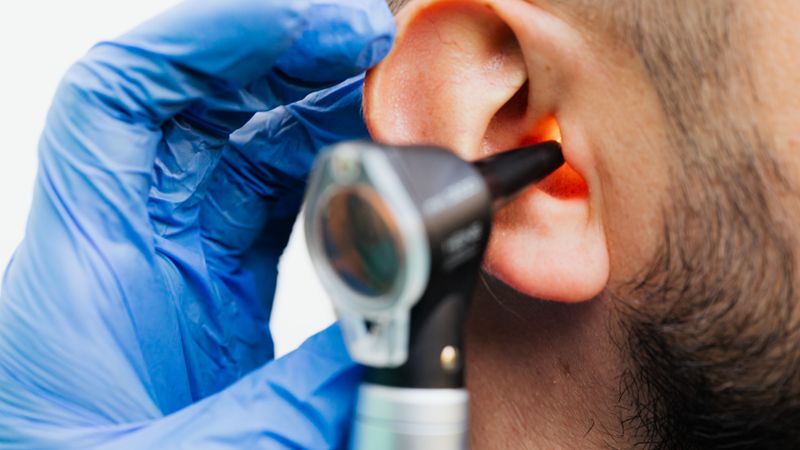
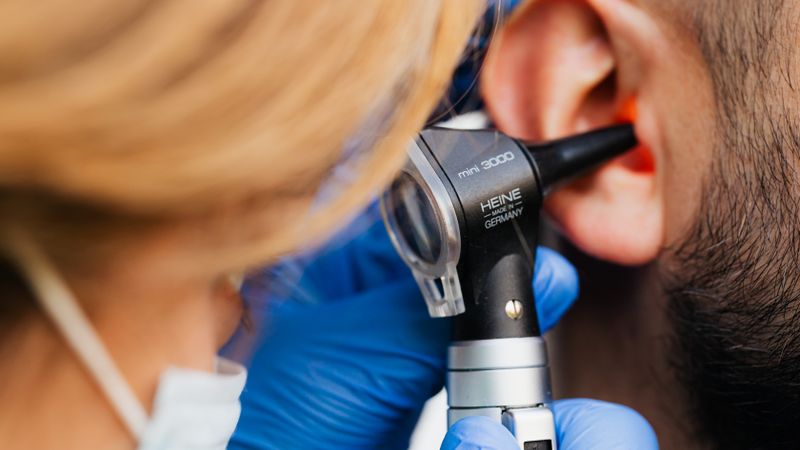
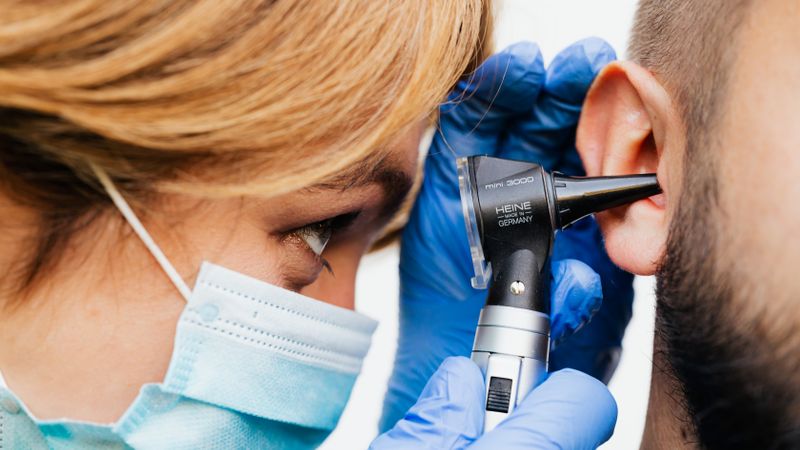
- Otoscopy examination: The practitioner looks into your ear canal using an otoscope or video otoscope to assess the amount, location, and consistency of the wax. This also checks for any signs of infection, perforation, or other issues that might affect the procedure.
- Positioning: You sit in a treatment chair, usually with your head tilted slightly to expose the affected ear. Some practitioners use a microscope or loupe system mounted on their head; others use a handheld otoscope with one hand while suctioning with the other.
- Suction: A fine, sterile suction probe (typically 1-3mm in diameter) is gently inserted into the ear canal. The suction removes wax in small pieces, working from the outside inward. You will hear a loud vacuuming or hissing sound — this is normal and is the most commonly reported aspect of the experience. Most patients describe the sensation as unusual but not painful.
- Duration: The actual suction process typically takes 5 to 15 minutes per ear, depending on the amount and consistency of the wax.
- Aftercare: The practitioner will re-examine your ear to confirm complete removal, advise on ear care going forward, and may recommend regular olive oil drops if you are prone to buildup.
Preparation Before Any Appointment
Regardless of which provider you choose, proper preparation significantly improves outcomes and reduces the chance of needing a follow-up appointment:
- Use olive oil drops (medical-grade, from any pharmacy) — two to three drops in each affected ear, twice daily, for 3 to 5 days before your appointment
- Alternatively, use sodium bicarbonate drops, which dissolve wax rather than softening it — particularly effective for very hard, impacted wax
- Do not use cotton buds, ear candles, or any sharp implement to try to remove wax yourself — these push wax deeper, risk perforating the eardrum, and can cause infection
- Do not use over-the-counter "ear wax removal kits" with hydrogen peroxide unless advised by a healthcare professional — these can irritate sensitive ear canal skin
- If you wear hearing aids, remove them before applying drops and clean them thoroughly — wax on hearing aid domes and receivers is a common cause of device malfunction
Aftercare and Prevention
After wax removal, most people experience an immediate improvement in hearing — often described as the world suddenly sounding louder and clearer. To maintain clear ear canals and reduce the frequency of future appointments:
- Never use cotton buds — the single most important piece of advice. Cotton buds push wax deeper into the ear canal and can compact it against the eardrum. The ear canal is self-cleaning; wax naturally migrates outward
- Use olive oil drops once a week as a preventive measure if you are prone to buildup. A single drop in each ear before bed, once weekly, can keep wax soft and mobile
- Hearing aid users should be aware that wearing aids can prevent the ear`s natural wax migration, leading to faster buildup. Regular six-monthly wax checks are advisable, and hearing aid aftercare appointments often include ear canal inspection
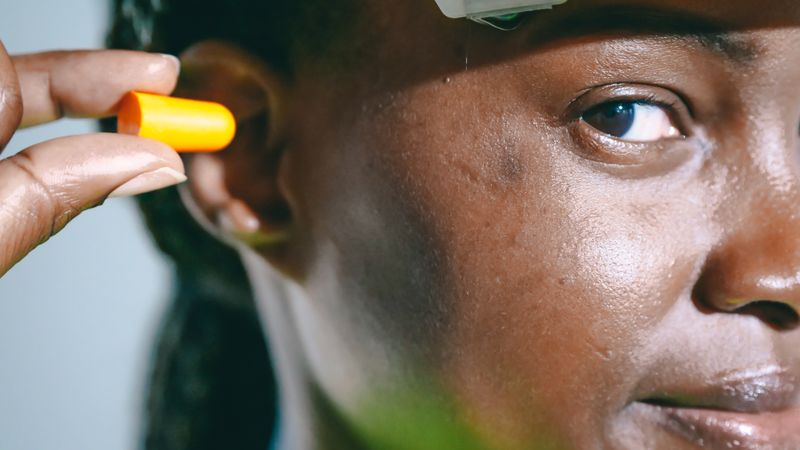
- If you swim regularly, use swim plugs to prevent water from pushing wax deeper into the canal
- If you notice hearing loss, discomfort, or tinnitus developing between appointments, do not wait — book a wax check promptly rather than letting impaction worsen
How to Choose the Right Provider
All three options — Specsavers, Boots, and independent audiologists — offer safe, effective ear wax removal when performed by a trained professional. The best choice depends on your individual circumstances:
- Choose Specsavers if geographic convenience is your priority — with 600+ locations, there is likely a store near you. Pricing is transparent, and the ability to combine wax removal with a free hearing test is valuable
- Choose Boots if you want to combine ear care with pharmacy services, value the Boots brand, or want to collect Advantage Card points. Boots also offers irrigation as an alternative to microsuction at some locations
- Choose an independent if you want a more personalised, unhurried experience, need a home visit, prefer specialist equipment like an operating microscope, or have a complex ear history (previous surgery, perforations, or recurrent infections) that benefits from specialist expertise
- Check the NHS first if cost is a concern — you may be eligible for free wax removal through your GP or local community ear care clinic, particularly if you already wear NHS hearing aids
Whichever provider you choose, confirm that the practitioner is HCPC-registered or holds equivalent professional credentials. Ask about the method used, whether a follow-up is included in the price, and what happens if the wax cannot be fully removed in one session. If you are a hearing aid user, mention this when booking — keeping your ear canals clear is essential for hearing aid performance, comfort, and the accuracy of any future hearing aid fitting or adjustment.