Why Regular Hearing Tests Matter More Than Most People Think
Most of us treat our hearing the way we treat our teeth — we only pay attention when something goes wrong. Yet hearing loss is the third most common chronic health condition in the UK, affecting around 12 million people according to the Royal National Institute for Deaf People (RNID). What makes this figure particularly sobering is that the average person waits ten years from first noticing a problem before seeking help.
Unlike a broken arm or a persistent cough, hearing loss tends to creep up gradually. The brain is remarkably good at compensating — at first. You might find yourself turning the television up a little louder, asking people to repeat themselves, or struggling to follow conversations in noisy restaurants. These are classic early signs, and they are easy to dismiss. By the time the loss becomes undeniable, significant and potentially irreversible damage may already have occurred.
Regular hearing tests are the single most effective tool for catching decline early, monitoring risk factors, and ensuring that any intervention — whether that is hearing aids, lifestyle adjustments, or specialist referral — happens at the right time. But how often is often enough? The answer depends largely on your age and individual circumstances.
What the BSA and NHS Actually Recommend
The British Society of Audiology (BSA) does not prescribe a single universal testing interval, but its professional guidance consistently emphasises proactive monitoring over reactive treatment. The NHS similarly encourages adults to seek a hearing test if they notice any change — but given that early-stage loss is often imperceptible to the individual, waiting for symptoms is not a reliable strategy.
The National Institute for Health and Care Excellence (NICE) recommends that adults aged 55 and over should be offered hearing checks as part of routine primary care. The RNID goes further, advocating for baseline tests in middle age so that any future decline can be measured against a known starting point rather than estimated.
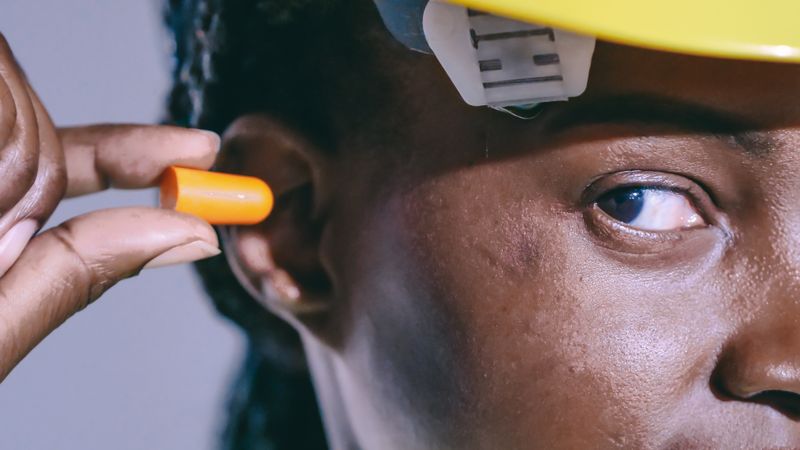
For workplace noise exposure, the Health and Safety Executive (HSE) mandates annual audiometric testing for employees exposed to daily noise levels at or above 85 dB(A). This is not optional guidance — it is a legal requirement under the Control of Noise at Work Regulations 2005. If your job involves prolonged exposure to loud machinery, construction noise, or live music, an occupational hearing test is not just advisable; it is your employer's legal obligation to provide one.
In practical terms, most audiologists and hearing charities align on the following general framework: adults with no risk factors should have a hearing test every three to five years from their thirties onwards, moving to every two years from age 55, and annually from 70 or whenever a loss is first identified.
Age-by-Age Guidance: Children and Young Adults (0–25)
Hearing screening in the UK begins at birth. The Newborn Hearing Screening Programme (NHSP) tests all babies within the first few weeks of life using automated otoacoustic emission (OAE) testing. Early identification of congenital hearing loss is critical: language acquisition, speech development, and educational outcomes are all profoundly shaped by what a child hears in their first years.
School-age children typically receive a sweep test — a basic audiometric check — in their first year of primary school. After that, routine testing largely falls away unless a concern is raised by a parent, teacher, or GP.
For teenagers and young adults, the picture is complicated by recreational noise exposure. The WHO estimates that around 1.1 billion young people globally are at risk of hearing damage from unsafe listening through personal audio devices. The RNID warns that even a single night at a loud concert can cause temporary threshold shift, and repeated exposure accelerates permanent noise-induced hearing loss. Young people who regularly attend nightclubs, festivals, or gigs, or who listen to music through headphones at high volumes, should consider a hearing check every two to three years — and should read our guide on protecting your hearing in the meantime.
The Thirties and Forties: Baseline Testing and Early Risk Monitoring
Most people in their thirties and early forties have no noticeable hearing difficulties, which is precisely why this decade is so important for establishing a baseline. A standard hearing test at this stage creates a reference point — a personal audiogram that documents exactly where your hearing sits across all frequencies today. Any future tests can then be compared against this benchmark, making it far easier to detect gradual decline.
The recommendation for this age group with no significant risk factors is a test every three to five years. However, certain occupational and lifestyle factors should prompt more frequent testing:
- Occupational noise exposure — factory workers, musicians, construction professionals, military personnel, and emergency services staff are all at elevated risk
- Frequent headphone or earbud use at high volumes
- Regular attendance at loud events — concerts, motorsport, shooting sports
- Ototoxic medications — certain chemotherapy drugs, high-dose aspirin, loop diuretics, and some antibiotics can damage the inner ear
- Diabetes or cardiovascular disease — poor circulation affects cochlear health; the RNID notes that people with diabetes are twice as likely to develop hearing loss
- Family history of hearing loss
- Existing tinnitus — a persistent ringing, buzzing, or hissing sound that may indicate early cochlear stress (see our guide to tinnitus)
If any of the above apply to you, move to testing every one to two years regardless of age.
Ready to get your hearing checked?
Enter your postcode to compare audiologists and book today.
Find appointments →The Fifties and Sixties: When Age-Related Decline Begins
From around the age of 50, the cumulative effects of a lifetime's worth of noise exposure, ageing of the cochlear hair cells, and systemic health changes begin to become measurable in audiometric terms. This process — known as age-related hearing loss, or presbycusis — is the most common form of hearing impairment in the UK. The RNID estimates that one in five adults aged 50 or over has some degree of hearing loss; by the age of 70, this rises to one in three.
Presbycusis typically begins with difficulty hearing high-frequency sounds — consonants like s, f, th, and sh. This is why many people with early age-related loss describe hearing voices but struggling to understand words, particularly in background noise. The loss is usually bilateral and symmetrical, progressing slowly over many years.
The recommended testing interval from age 55 onwards is every two years, even in the absence of obvious symptoms. For those already experiencing difficulties — or those who have been diagnosed with mild loss — annual testing allows clinicians to monitor progression and time any hearing aid fitting appropriately. NICE guidance highlights that early fitting of hearing aids produces significantly better long-term outcomes than waiting until loss is severe.
This is also the age at which the connection between hearing loss and cognitive health becomes a pressing concern. Research from University College London and Johns Hopkins University has established a clear association between untreated hearing loss and accelerated cognitive decline. The Lancet Commission on Dementia identified hearing loss as the single largest modifiable risk factor for dementia in midlife. Regular testing and early intervention are not merely about hearing — they are about long-term brain health.
The Specsavers Audiology service offers free NHS-style hearing tests on the high street across the UK with no GP referral needed — a practical and low-barrier option for anyone approaching or in this age group.
Seventy and Over: Annual Testing as Standard
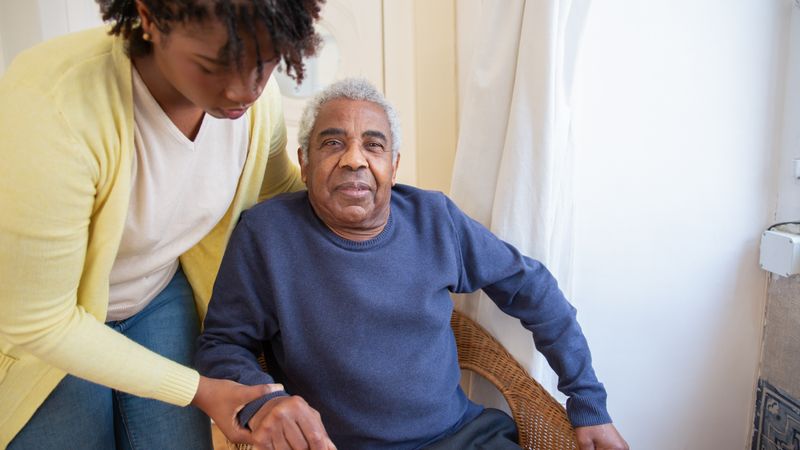
By the age of 70, the RNID data suggests that roughly 70% of people have some measurable degree of hearing loss. Annual audiometric review becomes the accepted standard of care at this life stage, whether managed through the NHS audiology pathway, a high-street audiologist, or a specialist clinic.
For older adults who already wear hearing aids, annual reviews serve multiple purposes: checking that the aids are still appropriately programmed to match any change in the audiogram, assessing ear canal health, ensuring the user is getting the maximum benefit from amplification, and identifying any deterioration that may warrant a change in technology or referral to ENT.
For those without hearing aids, annual tests provide the opportunity to catch the point at which a loss crosses the clinical threshold for intervention — typically defined as an average loss of 35 dB or more in the better ear, though many audiologists recommend fitting sooner when quality of life is affected. Untreated hearing loss at this stage is associated with social withdrawal, depression, falls (balance is partly cochlear), and, as noted above, cognitive decline.
If attending a clinic in person is difficult, an online hearing test provides a useful screening tool, though it should not replace a full audiometric assessment conducted in a sound-treated booth. Digital screening can flag whether a face-to-face appointment is warranted and can be completed from home in under ten minutes.
Boots Hearingcare offers a comprehensive hearing assessment with real-time results and a consultation with a registered audiologist — available at hundreds of locations across the UK, often with same-week appointments.
Specific Groups Who Should Test More Frequently
Beyond age, several populations have clinical reason to monitor their hearing more closely than the general schedule suggests.
Musicians and Entertainment Professionals
The British Tinnitus Association (BTA) and the Musicians' Union both highlight the disproportionate risk faced by professional and semi-professional musicians. Orchestral players can be exposed to levels exceeding 100 dB during performances, and pop and rock musicians working with amplified sound routinely exceed safe exposure thresholds. A dedicated musicians' hearing test — which typically includes extended high-frequency audiometry beyond the standard 8 kHz ceiling and a tinnitus assessment — is recommended annually for anyone performing or rehearsing regularly.
NHS Patients on Ototoxic Drug Regimens
Patients undergoing certain chemotherapy protocols (notably cisplatin and carboplatin), long-term high-dose anti-inflammatory treatment, or aminoglycoside antibiotic therapy should have baseline and regular follow-up audiometry as part of their treatment monitoring. This is standard oncology practice but worth advocating for if it has not been offered.
People with Diabetes
Given the two-fold increase in hearing loss risk, people managing Type 1 or Type 2 diabetes are advised to include hearing assessment in their annual health review, alongside retinal screening, foot checks, and kidney function tests. This is not yet universally embedded in NHS diabetic annual reviews, but can be arranged through a high-street audiologist independently.
Those Reporting Tinnitus
Tinnitus — the perception of sound without an external source — is experienced by around 7.1 million people in the UK according to the BTA. While tinnitus has many causes, it is frequently an early indicator of cochlear stress or underlying hearing loss. Anyone experiencing new or worsening tinnitus should seek an audiometric assessment promptly, and annual follow-up testing is appropriate thereafter to monitor any associated hearing decline.
Understanding Your Results: Making Sense of the Audiogram
A hearing test produces an audiogram — a graph plotting the softest sounds you can hear at each frequency, measured in decibels (dB). Understanding what your audiogram shows helps you engage with the results meaningfully and make informed decisions about next steps. Our guide to understanding your audiogram explains exactly what each measurement means and how to read the results your audiologist hands you.
In broad terms, hearing within 0–20 dB across all frequencies is considered normal for adults. Mild loss sits at 21–40 dB, moderate loss at 41–70 dB, severe loss at 71–94 dB, and profound loss at 95 dB or above. The pattern of the loss — whether it dips at high frequencies, affects all frequencies equally, or is asymmetric between ears — tells the audiologist a great deal about likely cause and the most appropriate intervention.
For those who have never had a hearing test or who are uncertain whether their hearing has changed, the NHS hearing test pathway remains the most accessible route: a GP referral to an NHS audiology department is free at the point of care and provides a full diagnostic assessment. Waiting times vary by region, but high-street providers such as Specsavers and Boots can usually offer appointments within days.
The Bottom Line: Don't Wait for It to Become Obvious
The clearest message from the BSA, RNID, NHS, and NICE is consistent: do not wait until hearing loss is obvious before getting tested. By that point, the window for preventing further decline has often narrowed significantly, and the social, cognitive, and emotional consequences of untreated loss may already be taking root.
The practical takeaway is straightforward:
- Under 40, no risk factors: once in your thirties to establish a baseline, then every three to five years
- Under 40 with risk factors (occupational noise, ototoxic drugs, diabetes, family history, tinnitus): every one to two years
- 40–54: every two to three years, or annually if risk factors are present
- 55–69: every two years as a minimum; annually if any loss has been identified
- 70 and over: annually, without exception
- Hearing aid wearers at any age: annually for review and reprogramming
- Musicians and high-noise workers: annually, with extended-frequency testing
Hearing is not something to take for granted, and the good news is that testing is widely accessible, entirely painless, and — at a high-street provider — completely free. Whether you use the search tool to find a local audiologist today, explore the NHS hearing test route, or try a quick online screening to gauge whether a full test is warranted, the most important step is simply to take one. Your future self — and your brain — will thank you for it.