NHS vs Private Hearing Tests: What's the Difference?
Every year, around 12 million adults in the UK live with some degree of hearing loss, according to the RNID — yet fewer than two million of them wear hearing aids. One of the biggest barriers to getting help is simply not knowing where to start. Should you go through your GP and the NHS, or book directly with a private audiologist? The answer depends on your circumstances, priorities, and how quickly you need help.
Both routes lead to qualified professionals who can assess your hearing accurately. But the journey, the waiting time, the technology on offer, and the overall experience can differ significantly. This guide breaks down everything you need to know so you can make the right choice for your ears.
How the NHS Hearing Pathway Works
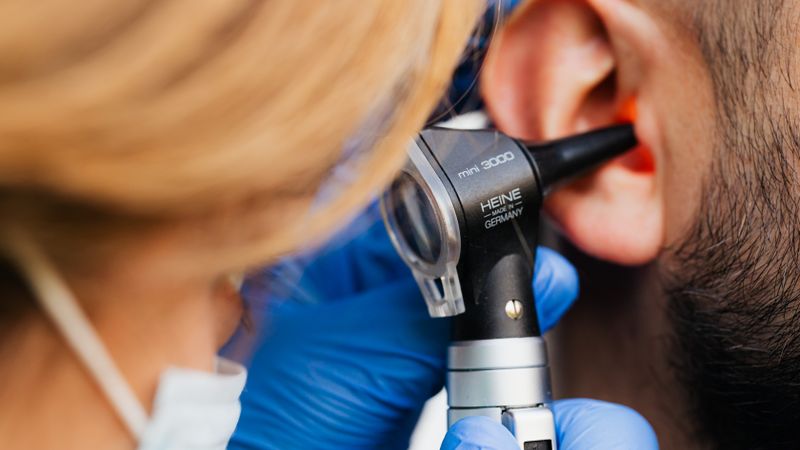
The NHS provides a comprehensive NHS hearing test service, but access typically begins with your GP rather than a direct booking. If you suspect you have hearing loss, your first step is a GP appointment. From there, your doctor will usually perform an initial ear examination and, if concerned, refer you to an NHS audiology department for a full diagnostic assessment.
That assessment — known as a pure-tone audiometry test — is the same core test used in both NHS and private settings. An audiologist will play a series of tones through headphones and ask you to indicate when you can hear them. The results are plotted on an audiogram, which maps your hearing across different frequencies and volumes. The process is clinically rigorous and the results are medically reliable.
NHS audiology departments operate within hospitals and some community health centres. Once you have a referral, the NHS will assess, diagnose, and if appropriate, provide hearing aids at no direct cost to you. The entire pathway, from ear to aid, is funded by the taxpayer — which is one of the most compelling arguments for going through the system.
For a detailed breakdown of what to expect, see our full guide to NHS hearing services.
What a Private Hearing Test Involves
A private standard hearing test typically takes place at a high street audiologist — chains like Boots Hearingcare or Specsavers Audiology offer walk-in and online bookings with appointments often available within days. There is no GP referral required.
Private hearing assessments generally include everything the NHS test does — pure-tone audiometry, speech-in-noise testing, and a detailed discussion of your hearing history and lifestyle. Many private providers also include additional assessments as standard, such as middle-ear function tests (tympanometry) and, in some cases, video otoscopy so you can see your own ear canal on a screen.
The consultation itself tends to be longer. While an NHS appointment may be timed tightly due to demand pressures, a private appointment is typically 60 to 90 minutes, giving the audiologist more time to understand not just your audiogram, but how your hearing affects your daily life — whether that's following conversations in noisy restaurants, struggling on phone calls, or missing dialogue when watching television.
Private tests also open the door immediately to a much wider range of hearing aid technology, as we will explore below.
Waiting Times: The Starkest Difference
If speed matters to you, private care has a clear advantage. Most private audiologists can see you within a week, and many offer same-week or even same-day appointments in larger towns and cities. You can search for available appointments near you right now to see what's available in your area.
The NHS waiting time picture is less consistent. NICE guidance recommends that patients should not wait more than 18 weeks from referral to treatment, and NHS audiology broadly aims to meet this standard. In practice, waits vary considerably by trust and region. Some NHS audiology departments in well-resourced areas can see patients within a few weeks; others in areas with higher demand or fewer audiologists may take considerably longer.
The British Society of Audiology (BSA) has highlighted that audiology waiting lists were significantly impacted by the COVID-19 pandemic, with a backlog that many trusts are still working through. For someone experiencing rapidly worsening hearing loss, or whose professional life or mental wellbeing is being affected by their hearing difficulties, a wait of several months is not a trivial concern.
It is worth noting that sudden hearing loss — where hearing deteriorates rapidly over hours or days — should always be treated as a medical emergency. In that situation, go straight to A&E or call 111 rather than waiting for any audiology appointment, NHS or private.
Ready to get your hearing checked?
Enter your postcode to compare audiologists and book today.
Find appointments →Cost: Free vs Fees
For most people, cost is the most significant factor when weighing up their options. The NHS provides hearing tests and hearing aids completely free at the point of use for eligible patients — this includes the hearing assessment, the fitting of hearing aids, batteries, and ongoing aftercare and maintenance. For anyone on a tight budget, or for older patients who may need long-term audiology support, this is enormously valuable.
Private hearing tests typically cost between £50 and £100 for the initial assessment, though some high-street providers offer free hearing tests as a loss-leader to encourage hearing aid sales. It is important to check exactly what is included in any advertised free test — sometimes these are screening tests rather than full diagnostic assessments.
Private hearing aids are where costs can rise significantly. Entry-level private hearing aids start at around £500 to £1,000 per pair, while mid-range devices with Bluetooth connectivity and rechargeable batteries typically cost £1,500 to £3,000 per pair. Premium devices from leading manufacturers — including the latest models from Phonak, Oticon, Signia, and Widex — can reach £4,000 to £6,000 or more per pair.
Many private providers offer finance plans, spreading the cost over 12 to 60 months, which can make premium devices more accessible. Some providers also offer trial periods of 30 to 90 days, allowing you to test hearing aids in real-world conditions before committing fully. The BSHAA (British Society of Hearing Aid Audiologists) recommends that any reputable private audiologist should offer a trial period as standard.
Some people choose a hybrid approach: getting a free NHS hearing test and diagnosis, then purchasing private hearing aids if they want access to more advanced technology than the NHS provides. This is entirely reasonable and most audiologists — NHS or private — will support you in doing so.
Hearing Aids: NHS vs Private Technology
The NHS primarily provides behind-the-ear (BTE) hearing aids, and the models available are sourced through national procurement contracts. These devices are clinically effective and are updated periodically as new models are approved. However, the range is intentionally limited to manage costs at scale — the NHS serves hundreds of thousands of hearing aid users and cannot offer bespoke consumer electronics to all of them.
NHS hearing aids do not typically include Bluetooth streaming, rechargeable batteries, or smartphone app connectivity as standard, though some NHS trusts are beginning to offer more modern devices in certain cases. If you want a hearing aid that streams audio directly from your iPhone or Android phone, connects to your television wirelessly, or can be tuned via an app on your smartphone, you will almost certainly need to go private.
Private hearing aids, by contrast, span a full consumer technology spectrum. Invisible-in-canal (IIC) devices, which sit deep inside the ear canal and are virtually undetectable, are available only privately. Rechargeable lithium-ion devices, artificial intelligence-based noise processing, and binaural technology — where two hearing aids communicate with each other wirelessly to optimise sound — are all standard features across mid-range private devices.
For a full guide to navigating these choices, see our article on choosing hearing aids. And if you are at the stage of arranging a fitting, our page on hearing aid fitting explains exactly what the process involves and what to expect at your appointment.
Quality of Care and Aftercare
Both NHS and private audiologists must be registered with the Health and Care Professions Council (HCPC) to practice legally in the UK. This means the clinical standards underpinning your care — the qualifications your audiologist holds, the protocols they follow, and the safeguards around your treatment — are the same in both sectors. You are not taking a clinical risk by choosing one route over the other.
Where the experience can differ is in continuity of care and time. NHS audiology is often delivered through a shared caseload, meaning you may see different audiologists at different appointments. Private providers frequently emphasise seeing the same audiologist throughout your care journey, which can lead to a more personalised and consistent experience, particularly during the adjustment period after a new hearing aid fitting.
Aftercare arrangements also differ. NHS hearing aids come with free ongoing servicing, battery provision, and repairs through your NHS audiology department — a significant benefit over the long term. Private hearing aids typically come with a manufacturer warranty of two to three years and a package of follow-up appointments, but extended servicing may incur additional costs after the initial package expires.
It is worth asking any private provider, before you commit, exactly what is included in the price: how many follow-up appointments, for how long, and what happens if you need a repair or adjustment after the warranty period ends.
Special Considerations: Children, Age-Related Hearing Loss, and Complex Cases
For children, the NHS is almost always the right first port of call. Paediatric audiology requires specialist expertise, and NHS children's services are well-established, including newborn hearing screening through the NHSP (Newborn Hearing Screening Programme) and school-age hearing tests. Private paediatric audiology exists but is less widely available and significantly more expensive.
For older adults experiencing age-related hearing loss — known clinically as presbycusis — both routes are appropriate. Age-related hearing loss is the most common type of hearing impairment in the UK, affecting around one in three people over 65 and nearly half of those over 75, according to RNID data. The NHS provides reliable, cost-effective care for this group, and NHS hearing aids are well-suited to the typical pattern of presbycusis, which affects high-frequency sounds first.
For more complex cases — including single-sided deafness, hearing loss associated with tinnitus, autoimmune conditions, or following ear surgery — NHS audiology departments with specialist consultants may actually offer more comprehensive diagnostic resources than a high-street private provider. In these situations, a GP referral to an ENT (ear, nose and throat) consultant as well as an audiologist may be the most appropriate pathway.
Making the Right Choice for You
There is no universally correct answer to the NHS versus private question. The right choice depends on a combination of factors that are unique to your situation.
- Choose the NHS if: cost is a primary concern, you are happy to wait, your hearing loss is straightforward, you want long-term free aftercare, or you have a complex medical history that warrants specialist NHS involvement.
- Choose private if: you want an appointment quickly, you are interested in the latest hearing aid technology (particularly Bluetooth, rechargeable, or invisible devices), you prefer a longer and more personalised consultation, or you have already been assessed by the NHS and want to explore better-fitting devices.
- Consider both if: you want a free NHS diagnosis before deciding whether to invest in private technology, or if you want a second opinion on a previous assessment.
Whatever route you choose, the most important thing is not to delay. The RNID estimates that people wait an average of ten years between first noticing hearing difficulties and seeking help. Untreated hearing loss is linked to social isolation, cognitive decline, and — according to a landmark 2023 Lancet Commission report — is one of the most significant modifiable risk factors for dementia. Getting your hearing checked is one of the most straightforward and impactful steps you can take for your long-term health.
Use our hearing test finder to compare audiologists near you, check live availability, and book an appointment at a time that suits you. Whether you ultimately go NHS or private, the first step is simply knowing where you stand.