What Is Ear Wax — and Why Does It Matter?
Ear wax — known medically as cerumen — is one of the body`s most underappreciated defences. Produced by specialised glands in the outer third of the ear canal, this sticky, yellowish substance traps dust, bacteria, dead skin cells, and small insects before they can reach the delicate structures deeper inside the ear. It also lubricates the ear canal, preventing the skin from drying out and cracking, and its slightly acidic pH creates an environment hostile to fungal and bacterial infections.
For most people, ear wax is entirely self-managing. The ear canal has a natural conveyor-belt mechanism: jaw movements from talking and chewing gradually push old wax towards the opening of the ear, where it dries, flakes, and falls out unnoticed. The system works remarkably well — until it does not. An estimated 2.3 million people in the UK require professional ear wax removal each year, making it one of the most common reasons for visiting an audiologist or GP. Excess wax can cause temporary hearing loss, tinnitus, earache, a sensation of fullness, dizziness, and even coughing triggered by stimulation of the vagus nerve in the ear canal.
Understanding when wax is a problem, what you can safely do at home, and when to seek professional help can save you weeks of discomfort — and protect your hearing in the process.
Signs You May Need Ear Wax Removal
Ear wax build-up tends to develop gradually, so many people do not realise the cause of their symptoms until the blockage is quite advanced. Common signs that wax may be impacting your ears include:
- Muffled or dulled hearing — sounds seem quieter or less clear, particularly on one side
- A feeling of fullness or pressure in the ear, as though something is blocking it
- Tinnitus — ringing, buzzing, or humming sounds that were not previously present
- Earache or discomfort, especially when lying on the affected side
- Itchiness inside the ear canal
- Dizziness or balance disturbance — wax pressing against the eardrum can affect the vestibular system
- A cough or tickling sensation in the throat, caused by wax stimulating nerve endings
Some groups are more prone to wax build-up than others. People who wear hearing aids or in-ear headphones regularly are at higher risk, because the devices can push wax deeper and prevent natural migration. Older adults tend to produce drier, harder wax that is more difficult for the ear to expel. People with narrow or unusually shaped ear canals, those with hairy ear canals, and people who work in dusty environments are also more susceptible. If you experience recurrent blockages, your audiologist may recommend a preventative maintenance schedule.
Safe Home Remedies for Mild Wax Build-Up
For mild wax accumulation without pain, discharge, or significant hearing loss, home treatment with softening drops is often effective and is recommended as a first step by both NICE and the British Society of Audiology. The following options are available without prescription from any UK pharmacy:
- Olive oil drops — the simplest and most widely recommended option. Apply two to three drops of medical-grade olive oil into the affected ear, two to three times daily, for up to five days. Lie with the affected ear facing upward for five to ten minutes after application to allow the oil to penetrate the wax.
- Sodium bicarbonate drops — available as over-the-counter ear drops (typically 5% solution). These work by chemically dissolving the wax and are particularly effective for hard, impacted cerumen. Use as directed on the packaging, usually for three to five days.
- Almond oil — functions similarly to olive oil as a softener and lubricant.
In many cases, softened wax will migrate out of the ear naturally over the following days. If you are preparing for a professional wax removal appointment, using olive oil drops for three to five days beforehand significantly improves the outcome — softer wax is easier and quicker to remove, making the procedure more comfortable and effective.
Methods to Avoid: Cotton Buds and Ear Candles
Despite their widespread use, cotton buds should never be inserted into the ear canal. This is not a matter of opinion — it is the unequivocal advice of every major audiology and ENT professional body in the UK. Cotton buds push wax deeper into the canal, compact it against the eardrum, and risk perforating the tympanic membrane. A 2017 study published in the Journal of Pediatrics found that cotton bud injuries send an estimated 12,500 children to emergency departments each year in the United States alone, and UK hospitals see comparable presentations. The outer ear can be gently cleaned with a damp cloth, but nothing smaller than your elbow should enter the ear canal.
Ear candles — sometimes marketed as Hopi candles — are hollow fabric cones coated in wax that are inserted into the ear and lit at the opposite end. Proponents claim they create a vacuum that draws wax out of the ear. Multiple clinical studies, including a definitive trial published in The Laryngoscope, have conclusively demonstrated that ear candles produce no suction, remove no ear wax, and deposit candle wax residue inside the ear canal. Serious injuries including burns to the face and ear, dripping candle wax onto the eardrum, and house fires have been documented. NICE, the British Society of Audiology, and the FDA all advise against their use.
Other unproven remedies to avoid include hydrogen peroxide solutions (which can cause irritation and are not recommended by UK guidelines), compressed air devices sold online, and any form of ear irrigation attempted at home without medical supervision.
Professional Ear Wax Removal Methods
When home remedies fail to resolve symptoms — or when wax is firmly impacted, hearing is significantly affected, or there is a history of ear problems — professional removal is the appropriate next step. Three main methods are available in the UK:
Microsuction
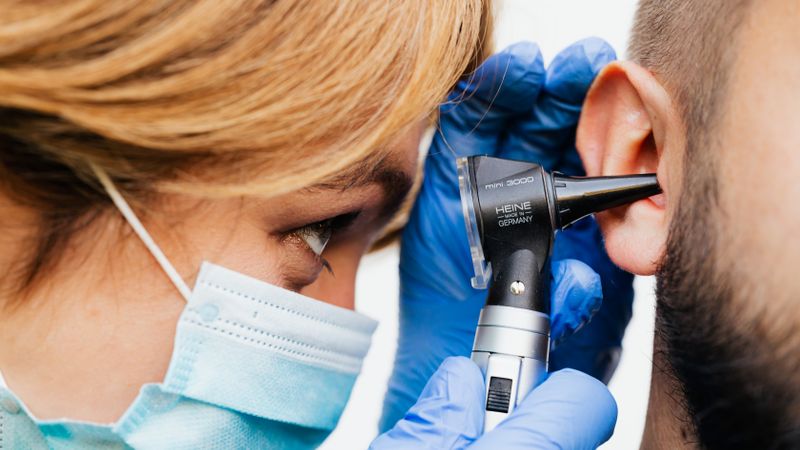
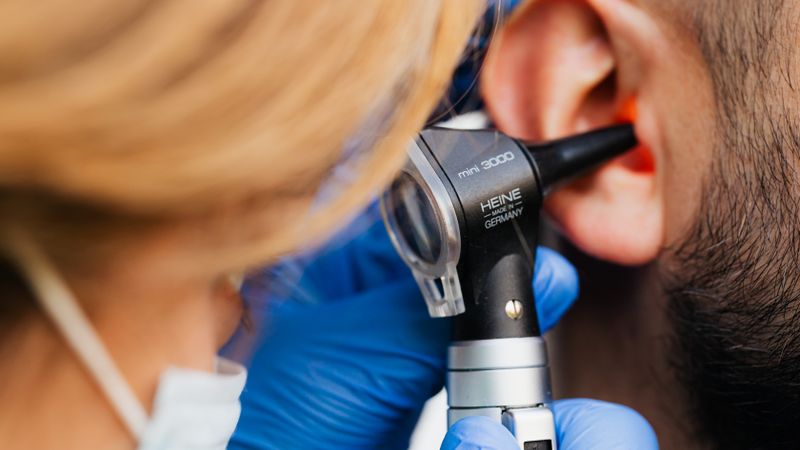
Microsuction is widely regarded as the gold standard for ear wax removal. A trained clinician uses a fine, low-pressure suction probe to gently vacuum wax from the ear canal under direct vision, typically through a binocular microscope or magnifying loupes. The procedure is quick — usually 15 to 30 minutes for both ears — generally painless, and does not introduce water into the ear canal. This makes it the safest option for people with perforated eardrums, grommets, a history of ear surgery, active infections, or a cleft palate. The noise of the suction can be temporarily loud, and some people experience brief dizziness, but serious complications are extremely rare.
Microsuction is available at Specsavers Audiology, Boots Hearingcare, and hundreds of independent audiology practices across the UK. It is also offered by some NHS audiology departments and commissioned community ear care services.
Irrigation
Irrigation — formerly and still colloquially known as ear syringing — uses a controlled, low-pressure pulse of body-temperature water to flush softened wax from the ear canal. Modern electronic irrigators, such as the Propulse system, are significantly safer than the old-fashioned metal syringe and bulb devices that GPs used for decades. The procedure is generally comfortable, though some people find the sensation of water in the ear unusual.
However, irrigation is not suitable for everyone. It is contraindicated for people with perforated eardrums, active ear infections, previous ear surgery, grommets, a history of recurrent otitis externa, or a cleft palate. Pre-softening with drops for several days beforehand is essential for effective results. Some GP practices still offer irrigation, though many have withdrawn the service since 2020.
Manual Removal
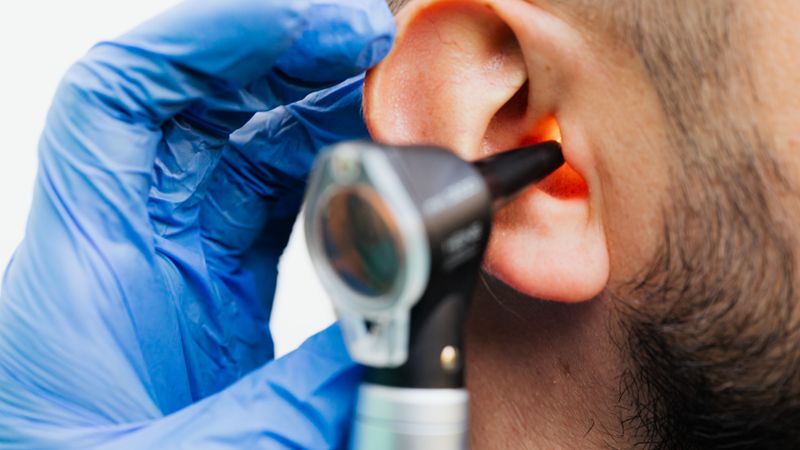
Manual or instrumental removal involves an ENT specialist using fine instruments — such as a Jobson-Horne probe, micro-forceps, or a curette — under direct visualisation to carefully extract wax from the ear canal. This method is typically reserved for complex cases, such as wax that is tightly impacted against the eardrum, foreign bodies in the ear, or patients for whom microsuction and irrigation are both contraindicated. Manual removal is most commonly performed in hospital ENT departments and requires a high degree of clinical skill.
Ready to get your hearing checked?
Enter your postcode to compare audiologists and book today.
Find appointments →NHS Access: The Postcode Lottery
Access to free ear wax removal on the NHS has become one of the most contentious issues in UK primary care. Historically, ear syringing was a routine GP service — millions of patients relied on their local surgery for quick, free wax removal. But a series of policy changes has dramatically altered the landscape.
In 2020, NHS England reclassified ear wax removal as a procedure that GP practices were no longer contractually required to provide. The rationale cited patient safety concerns with older syringing methods and the availability of alternative services. In practice, the result has been a postcode lottery: some GP surgeries continue to offer irrigation or have been replaced by NHS-commissioned community ear care clinics offering microsuction, while others have withdrawn the service entirely, directing patients to private providers.
According to data from the Royal College of General Practitioners, approximately 40 per cent of GP practices in England no longer offer any form of ear wax removal. In Scotland, Wales, and Northern Ireland, provision varies by health board, but the trend towards decommissioning is similar. For patients on low incomes who cannot afford private treatment, this represents a significant barrier to care — particularly given that untreated wax build-up can cause or worsen hearing loss and delay hearing assessments.
If you are unsure whether your local NHS provides ear wax removal, start by contacting your GP surgery. Some areas have set up dedicated ear care clinics accessible via self-referral, and your surgery should be able to direct you. If NHS provision is unavailable in your area, private treatment is widely accessible and does not require a GP referral.
Private Costs and Where to Go
Private ear wax removal is available at high-street audiology chains and independent clinics across the UK. No GP referral is needed, and appointments can usually be booked within days. Here is what to expect in terms of pricing:
- Specsavers Audiology — offers microsuction at many of its 600-plus UK stores. Prices are typically around £55 for one ear or £75 for both ears. Online booking is available, and pre-treatment with olive oil drops is recommended.
- Boots Hearingcare — provides microsuction at selected stores, usually priced at approximately £55 to £70 per ear. Appointments can be booked online or in store.
- Audika — some branches offer ear wax removal as part of their audiological services. Contact your local branch for availability and pricing.
- Independent audiologists — many HCPC-registered audiologists and dedicated ear care specialists offer microsuction privately, with prices typically ranging from £40 to £90 per session. Independent clinics often have shorter waiting times and more flexible appointment availability. Look for practitioners registered with the British Society of Hearing Aid Audiologists (BSHAA) or who hold ear care qualifications from a recognised body.
When choosing a provider, check that the clinician performing the procedure is appropriately qualified and insured. For microsuction, look for practitioners who have completed a recognised ear care course and who use a microscope or loupes for direct visualisation. Do not be afraid to ask about their training and the equipment they use.
Hearing Aid Users and Ear Wax
If you wear hearing aids, ear wax management is particularly important. Hearing aid moulds and domes sit inside the ear canal, where they can block the natural migration of wax and push existing wax deeper. The warm, moist environment created by a hearing aid can also stimulate increased wax production. The result is that hearing aid users are significantly more likely to experience wax build-up than the general population.
Excess wax can cause hearing aids to whistle (feedback), reduce sound quality, block the receiver or tubing, and even damage the device. Regular hearing aid aftercare appointments should include an ear canal check, and many audiologists recommend a preventative wax removal schedule — typically every six to twelve months — for hearing aid users who are prone to build-up.
Between appointments, clean your hearing aids daily as recommended by your audiologist, and use a hearing aid maintenance routine to keep wax filters and tubing clear. If you notice a sudden drop in hearing aid performance, wax build-up is one of the first things to check before assuming a device fault.
Preparation, Aftercare, and Prevention
Before Your Appointment
To get the best results from professional ear wax removal, use olive oil or sodium bicarbonate drops for three to five days before your appointment. This softens the wax and makes the procedure quicker, more comfortable, and more effective. Do not use drops immediately before the appointment — apply them the night before at the latest, as very liquid wax can be harder to suction.
After the Procedure
After microsuction or irrigation, your ears may feel slightly sensitive for a few hours. Some people experience temporary mild dizziness or a feeling of coolness in the ear canal. Avoid getting water in your ears for 24 to 48 hours after the procedure — use cotton wool lightly coated in petroleum jelly as a plug when showering. If you have had irrigation, keep the ears dry for slightly longer. Hearing typically improves immediately after removal, and many people are struck by how much clearer the world sounds.
Preventing Future Build-Up
While you cannot completely prevent ear wax production — nor would you want to, given its protective function — you can reduce the likelihood of problematic build-up:
- Never insert anything into the ear canal — no cotton buds, hair grips, keys, or pen caps
- Use olive oil drops periodically — a few drops once a week can keep wax soft and aid natural migration
- Clean hearing aids daily and attend regular aftercare appointments
- Limit prolonged use of in-ear headphones — take breaks to allow the ear canal to self-clean
- See your audiologist promptly if symptoms of build-up return, rather than waiting until hearing is significantly affected
When to Seek Urgent Medical Help
Most ear wax issues are straightforward and easily resolved. However, certain symptoms require prompt medical attention and should not be treated with drops or home remedies. See your GP or attend A&E if you experience:
- Sudden hearing loss in one ear — this may indicate sudden sensorineural hearing loss, which requires urgent treatment
- Bleeding from the ear
- Severe or worsening pain
- Discharge with an unpleasant smell — this may indicate an infection
- A foreign object in the ear canal that you cannot retrieve
- Symptoms after attempted home removal — particularly if you have used a cotton bud and suspect you may have pushed something deeper or caused damage
These symptoms may indicate a condition that requires medical rather than audiological management. If in doubt, always err on the side of seeking professional advice. Your hearing is too important to risk.
If your wax removal reveals an underlying hearing concern, your audiologist can arrange a full hearing assessment to determine the cause and recommend appropriate next steps. Find an audiologist near you to book an ear wax removal appointment or hearing test today.