Earwax might not be the most glamorous topic in healthcare, but it is one of the most common reasons people visit their GP, their audiologist, or an ear care clinic. In the United Kingdom, an estimated 2.3 million people each year experience problems caused by excessive or impacted earwax, and it remains one of the leading causes of temporary hearing loss. Despite its prevalence, earwax management is widely misunderstood. Many people reach for cotton buds or dubious home remedies without realising that they may be making things significantly worse. This comprehensive guide explains what earwax is, why it matters, when to leave it alone, how to treat it safely at home, and when to seek professional help.
What Is Earwax and Why Do We Need It?
Earwax — known medically as cerumen — is produced by ceruminous glands in the outer third of the ear canal. Far from being waste or a sign of poor hygiene, earwax is a sophisticated defence mechanism. It performs several vital functions: trapping dust, dirt, and debris before they reach the eardrum; providing a barrier against bacteria, fungi, and insects; lubricating the delicate skin of the ear canal to prevent dryness and irritation; and maintaining the slightly acidic pH environment that discourages microbial growth.
In most people, the ear canal is self-cleaning. Jaw movements from talking and chewing gradually move old earwax and dead skin cells outward toward the ear opening, where they dry up, flake away, or fall out during washing. This natural conveyor-belt process means that healthy ears typically require no manual cleaning at all. Problems arise when this migration process is disrupted or when the body produces wax faster than it can be expelled.
Who Is at Risk of Earwax Build-up?
While anyone can experience earwax accumulation, certain groups are particularly susceptible. Understanding these risk factors can help you determine whether you need to be more vigilant about your ear health:
- Hearing aid users: Hearing aids sit inside the ear canal and can physically block the natural outward migration of wax. The devices also stimulate the ceruminous glands to produce more wax. Studies suggest that up to 60 per cent of hearing aid users experience wax-related problems, including feedback whistling, reduced amplification, and device malfunction.
- Cotton bud users: Ironically, the most common tool people use to clean their ears is also the most common cause of impaction. Cotton buds push wax deeper into the canal, compacting it against the eardrum.
- Older adults: As we age, earwax becomes drier and harder, and the ear canal's natural self-cleaning mechanism becomes less efficient. Age-related changes to the ear canal's shape and hair growth can further impede wax migration.
- People with narrow or unusually shaped ear canals: Anatomical variations, including naturally narrow canals, bony growths (exostoses, common in swimmers and surfers), and excessive hair growth, can all obstruct the outward flow of wax.
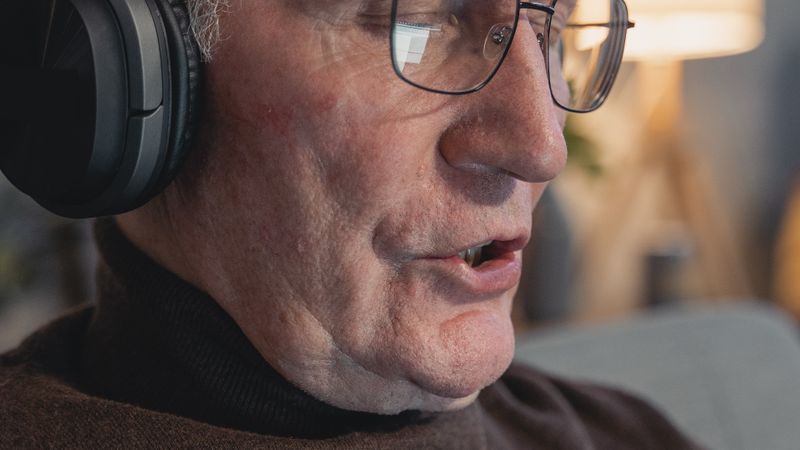
- Earphone and earbud users: The widespread daily use of in-ear headphones can push wax inward and trap heat and moisture, creating conditions that promote excessive wax production.
- People with skin conditions: Eczema, psoriasis, and dermatitis affecting the ear canal can alter wax production and cause flaking skin that mixes with cerumen to create stubborn blockages.
Safe Home Remedies for Earwax
For mild earwax build-up that has not caused significant hearing loss, pain, or dizziness, home treatment with softening drops is often the first-line approach recommended by NHS guidance and audiologists alike. The goal is not to forcefully remove wax, but to soften it so that the ear's natural self-cleaning mechanism can do its job.
Olive oil drops are the simplest and most widely recommended home remedy. Warm a small amount of olive oil to body temperature (never hot), lie on your side with the affected ear facing upward, and use a dropper to place two to three drops into the ear canal. Remain in position for five to ten minutes to allow the oil to penetrate, then sit up and let any excess drain onto a tissue. Repeat two to three times daily for three to five days. NICE clinical guidance specifically endorses olive oil as a safe and effective earwax softener.
Sodium bicarbonate ear drops are available over the counter from pharmacies and are another well-evidenced option. They work by gently dissolving the wax through a mild alkaline reaction. Follow the instructions on the packaging, which typically recommend five drops twice daily for up to five days. Some pharmacies also stock proprietary drops containing hydrogen peroxide or urea peroxide, which fizz gently on contact with wax to help break it down. These are generally safe for most people but should be avoided if you have a perforated eardrum or active ear infection.
Whichever method you choose, patience is key. It may take several days of treatment before the wax softens enough to migrate out naturally. If your symptoms have not improved after five to seven days of consistent home treatment, it is time to seek professional help.
What to Avoid: Cotton Buds and Ear Candles
Two common earwax removal methods deserve particular scrutiny — not because they work, but because they are actively harmful.
Cotton buds (Q-tips) are the single most common cause of impacted earwax and ear canal injuries in the UK. Despite decades of warnings from ENT surgeons, audiologists, and the manufacturers themselves (most cotton bud packaging explicitly states "do not insert into the ear canal"), surveys suggest that over 60 per cent of adults still use them for ear cleaning. The problem is simple physics: a cotton bud is wider than the ear canal, so it cannot scoop wax out. Instead, it acts as a ramrod, pushing wax deeper toward the eardrum and compacting it into a hard mass that the ear cannot expel naturally. Cotton buds also risk scratching the delicate canal skin (inviting infection), perforating the eardrum, and disrupting the ear's natural cleaning mechanism. ENT departments across the UK treat thousands of cotton-bud injuries annually. The clinical advice is unequivocal: never insert anything smaller than your elbow into your ear.
Ear candles (sometimes marketed as Hopi candles, though they have no genuine connection to the Hopi people) are hollow fabric cones coated in beeswax or paraffin wax. Proponents claim that lighting the candle while it is inserted into the ear creates a vacuum that draws wax out. Multiple peer-reviewed studies have conclusively debunked this claim. Tympanometric measurements show that ear candles produce no negative pressure whatsoever. The residue found inside the burned candle is not earwax — it is combustion debris from the candle itself. More seriously, ear candles carry genuine risks: burns to the face, ear, and hair; hot candle wax dripping into the ear canal and onto the eardrum; and perforation of the eardrum. The FDA, NICE, and the RNID all advise against their use.
Ready to get your hearing checked?
Enter your postcode to compare audiologists and book today.
Find appointments →Professional Earwax Removal Methods
When home treatment is not sufficient, or when symptoms are severe — including significant hearing loss, pain, discharge, dizziness, or tinnitus — professional removal is the next step. Three main methods are used in UK clinical practice, each with distinct advantages and considerations.
Microsuction is widely regarded as the gold standard for earwax removal. A trained clinician uses a fine suction probe under direct vision, typically with a binocular microscope or high-magnification loupes, to gently vacuum wax from the ear canal. The procedure is quick (usually five to fifteen minutes per ear), generally painless, and very precise. Because it does not involve water, microsuction is safe for people with perforated eardrums, grommets, a history of ear surgery, or active ear infections. It is the method recommended by ENT UK and most NHS audiology departments. The sound of the suction can be loud, and some patients find it briefly uncomfortable, but serious complications are extremely rare.
Irrigation — the modern successor to the now-discontinued practice of ear syringing — uses an electronic irrigator to deliver a controlled, low-pressure flow of body-temperature water into the ear canal, flushing out softened wax. It is generally comfortable and effective, particularly for large volumes of soft wax. However, irrigation is not suitable for everyone. It is contraindicated for people with perforated eardrums, active ear infections, a history of ear surgery, previous complications from irrigation, or a cleft palate. Pre-softening with olive oil or sodium bicarbonate drops for three to five days before the appointment significantly improves outcomes.
Manual removal (instrumentation) involves an ENT specialist using fine instruments — typically a Jobson-Horne probe, Crocodile forceps, or curette — to physically extract wax under direct vision, usually with a microscope. This method is typically reserved for hospital settings and complex cases, such as very hard impacted wax, wax adhering to the eardrum, or situations where both microsuction and irrigation have failed. It requires a high level of skill and is not widely available in community settings.
NHS Access: The Postcode Lottery
Access to NHS earwax removal services has become one of the most frustrating aspects of ear care in the UK. In 2020, NHS England formally decommissioned ear syringing from the GP contract, meaning that GP practices were no longer required or funded to provide the service. The intention was that patients would be redirected to community audiology services, but in many areas, replacement services were never adequately established.
The result has been a genuine postcode lottery. In some Integrated Care Board (ICB) areas, patients can access free NHS microsuction through community audiology clinics, community pharmacies, or dedicated earwax clinics. In others, GPs may still offer irrigation on a discretionary basis. But in a significant number of areas, particularly in England, there is no funded NHS pathway for earwax removal at all, and patients are told to manage the problem themselves with olive oil or pay for private treatment. Scotland, Wales, and Northern Ireland have their own arrangements, with some health boards offering better access than others.
For those who need to go private, the costs are generally reasonable. A single-ear microsuction appointment typically costs between 40 and 50 pounds, while both ears are usually 60 to 80 pounds. Many high-street audiologists, including Boots Hearingcare and Specsavers Audiology, offer earwax removal alongside their hearing test services. Independent ear care clinics are also widely available. It is worth checking whether your employer's health insurance or cash plan covers the cost, as many do.
Hearing Aid Users and Earwax
If you wear hearing aids, earwax management deserves particular attention. Wax build-up is the single most common cause of hearing aid malfunction, responsible for an estimated 60 to 70 per cent of hearing aid repairs. Wax can block the receiver (speaker) opening, clog the microphone ports, interfere with the vent, and cause feedback whistling. Behind-the-ear (BTE) hearing aids with slim tubes or receiver-in-canal (RIC) models are especially vulnerable because their receivers sit deep inside the ear canal, right where wax accumulates.
Practical steps for hearing aid users include using a wax guard or filter on your hearing aid (most modern devices include replaceable wax guards — change them regularly according to the manufacturer's instructions), cleaning your hearing aids daily with a dry cloth or brush, using olive oil drops periodically as a preventive measure (but remove your hearing aids for at least 30 minutes after applying drops to allow them to absorb), and scheduling regular professional earwax checks as part of your hearing aid aftercare routine. Many audiologists recommend a wax check every three to six months for hearing aid users.
When to See a Doctor Urgently
While most earwax problems are a nuisance rather than a medical emergency, certain symptoms warrant urgent medical attention. You should see a GP or visit A&E promptly if you experience sudden, complete hearing loss in one or both ears (which could indicate sudden sensorineural hearing loss, a medical emergency unrelated to wax); severe ear pain, especially with fever or discharge; bleeding from the ear canal; symptoms following an attempt to remove wax with a cotton bud or other object (which may indicate a perforated eardrum); or persistent dizziness or vertigo accompanying ear blockage.
These symptoms may indicate conditions more serious than simple wax impaction, and early assessment is important. A standard hearing test can help distinguish between conductive hearing loss caused by wax and other types of hearing loss that require different treatment.
Preventing Earwax Build-up
Prevention is always preferable to treatment. While you cannot entirely prevent earwax production — nor would you want to, given its protective functions — several strategies can reduce the likelihood of problematic build-up:
- Leave your ears alone. The single most effective prevention strategy is to stop interfering with your ears' natural self-cleaning process. Do not insert cotton buds, fingers, hairpins, keys, or any other objects into your ear canals.
- Use olive oil drops prophylactically. If you are prone to wax build-up, applying two to three drops of olive oil to each ear once a week can help keep wax soft and mobile, supporting the ear's natural expulsion process.
- Clean only the outer ear. After bathing or showering, use a damp cloth to gently clean the outer ear (the pinna and the visible opening of the canal). Do not attempt to clean inside the canal itself.
- Manage earphone use. If you use in-ear headphones frequently, take regular breaks, clean the earbuds regularly, and consider switching to over-ear headphones if you experience recurrent wax problems.
- Schedule regular ear checks. If you are in a high-risk group — hearing aid users, older adults, people with narrow canals — periodic professional ear examinations can catch build-up before it becomes symptomatic.
Earwax and Hearing Tests
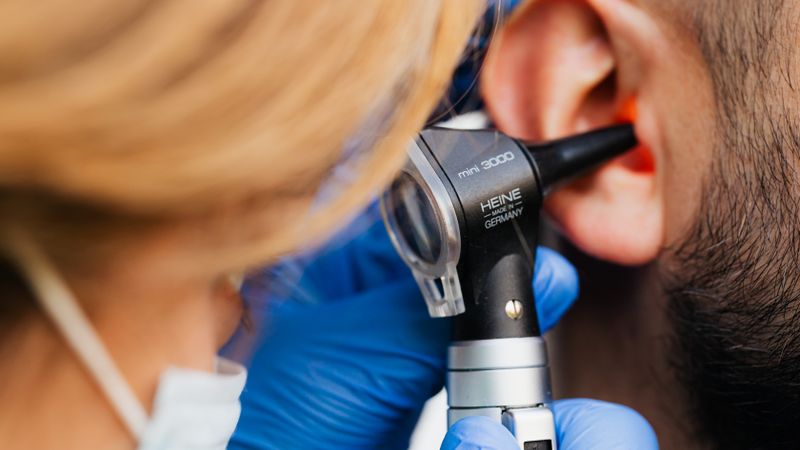
If you are due for a hearing test, it is worth considering your earwax status beforehand. Impacted wax can significantly affect hearing test results, causing an apparent conductive hearing loss that does not reflect your true hearing ability. Most audiologists will check your ears with an otoscope at the start of your appointment, and if significant wax is present, they may advise having it removed before proceeding with testing.
If you suspect you have a wax build-up, it is a good idea to use olive oil drops for a few days before your hearing test appointment. Some audiology practices, including many high-street providers, offer ear wax removal as part of or immediately before the hearing assessment, so you can have both done in a single visit. When booking, ask whether the clinic offers wax removal so you can be prepared.
Earwax is natural, necessary, and usually nothing to worry about. But when it does cause problems, understanding the safe options — and knowing which remedies to avoid — can save you from unnecessary discomfort, wasted money on ineffective treatments, and potentially serious injury. If home treatment with softening drops does not resolve your symptoms within a week, find a local audiologist who offers professional earwax removal and get it dealt with properly. Your ears will thank you.