A Generation Listening Its Way Into Hearing Loss
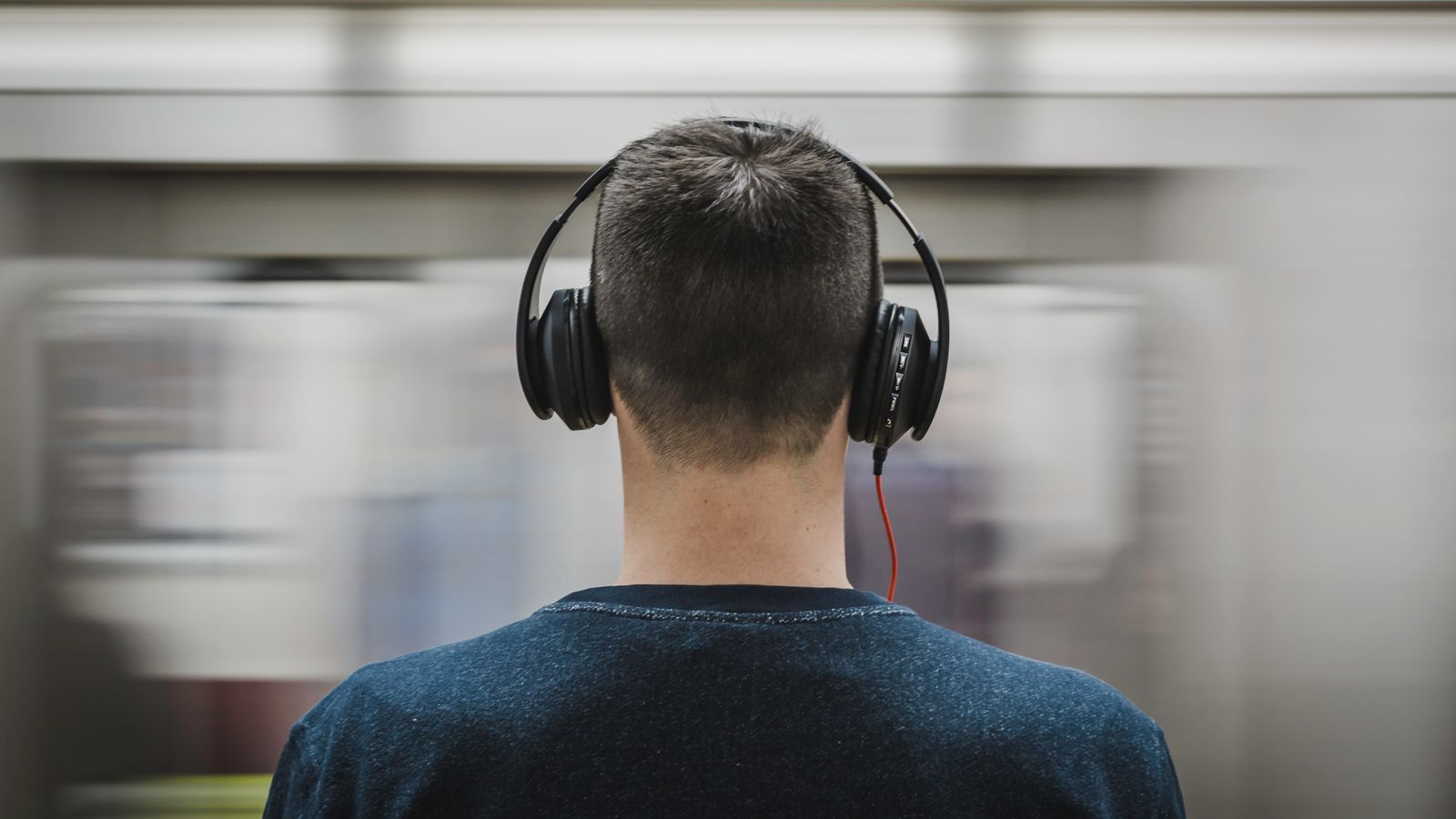
Look around any train carriage, gym, or high street this summer and you will see the same thing: earbuds, everywhere. Personal listening has become the default way Britons consume music, podcasts, and calls — the average UK adult now spends several hours a day with headphones in or over their ears. What very few of those listeners realise is that the way they listen may be quietly and permanently damaging their hearing.
The World Health Organization estimates that over 1 billion young people worldwide are at risk of avoidable hearing loss caused by unsafe listening — primarily through personal audio devices and loud entertainment venues. The UK picture is just as stark. A recent British study of more than 1,000 people aged 16 to 35 found that 49% had "less than normal" hearing levels, with researchers describing the scale of noise-related damage among young adults as an emerging crisis.
The frustrating part? Noise-induced hearing loss is almost entirely preventable. Unlike age-related hearing loss, which develops as part of the natural ageing process, listening damage is the direct result of habits — habits that can be changed today. This guide explains exactly how headphones damage hearing, how loud is too loud, and the practical steps every listener in the UK should take to protect their ears without giving up their music.
How Headphones Damage Your Hearing
Inside your cochlea — the snail-shaped organ of the inner ear — sit around 15,000 microscopic hair cells. These cells convert sound vibrations into the electrical signals your brain interprets as sound. They are extraordinary, but they are also fragile and, crucially, they do not regenerate. Once a hair cell is destroyed by noise exposure, it is gone for life.
Loud sound damages these cells in two ways. Sudden, extreme noise — an explosion, a firework at close range — can shear them off instantly. But the far more common mechanism, and the one relevant to headphone users, is cumulative metabolic exhaustion: sustained loud listening overworks the hair cells until they weaken, die off, and take a slice of your hearing range with them. Damage typically begins in the high frequencies, which is why early noise damage makes speech sound muffled or "underwater" before you notice any change in volume.
Why earbuds are a particular risk
In-ear headphones sit millimetres from the eardrum and can comfortably produce 100–110 decibels (dB) at maximum volume — roughly the output of a chainsaw or a rock concert. Because earbuds often seal poorly against background noise, listeners on trains, buses, and busy streets instinctively push the volume up to compensate, frequently listening at 90 dB or more without realising it. At that level, damage can begin in under two hours — less than a single London-to-Manchester train journey.
How Loud Is Too Loud? The Numbers That Matter
Sound intensity is measured in decibels, and the scale is logarithmic — every 3 dB increase represents a doubling of sound energy. That has a critical consequence: safe listening time halves with every 3 dB rise in volume.
- 80 dB (busy restaurant): the WHO's recommended weekly limit is around 40 hours at this level
- 85 dB (heavy traffic): the level at which UK workplaces must legally provide hearing protection; safe for roughly 8 hours a day
- 94 dB (motorbike): safe exposure drops to about 15 minutes a day
- 100 dB (nightclub, maximum earbud volume): damage possible within minutes
- 110 dB+ (front row at a gig): risk of immediate, permanent damage
The Control of Noise at Work Regulations 2005 forces UK employers to act when workers are exposed to 85 dB averaged over a shift. Yet millions of us voluntarily exceed that level daily through our headphones, with no regulator watching. If your listening would be illegal as a workplace noise exposure, your ears do not know the difference.
The 60/60 rule
Audiologists recommend a simple habit: listen at no more than 60% of maximum volume, for no more than 60 minutes at a time, followed by a break. It is not a perfect science — device outputs vary — but it keeps most listeners inside safe exposure limits and builds in the recovery time your ears need.
A quick self-test
If the person next to you can hear your music, it is too loud. If you cannot hear someone speaking at arm's length while wearing your headphones, it is too loud. And if your ears ring or sound feels dull after a listening session, you have already exceeded a safe dose.
Earbuds, Over-Ears and Noise-Cancelling: Does Your Choice Matter?
In-ear earbuds
The riskiest option when used carelessly. Proximity to the eardrum and poor passive isolation push real-world listening volumes up. If you use standard earbuds, choosing well-fitting silicone tips that seal the ear canal actually reduces risk, because a better seal blocks background noise and lets you listen more quietly.
Over-ear headphones
Generally safer at equivalent volume settings — the driver sits further from the eardrum and passive isolation is usually better, so users tend to choose lower volumes. They remain perfectly capable of causing damage at high volume, however.
Active noise-cancelling (ANC)
Counter-intuitively, noise-cancelling technology is one of the best hearing-protection investments a regular commuter can make. By electronically removing the low-frequency rumble of trains, planes, and traffic, ANC removes the reason people turn the volume up in the first place. Studies of commuter listening habits consistently show ANC users listening at significantly lower volumes. The caveat: ANC does nothing to protect you if you simply use the newfound clarity to listen louder.
The Warning Signs You've Already Overdone It
Noise damage rarely announces itself dramatically. Watch for these early signals:
- Temporary ringing or buzzing after listening — this is tinnitus, and even short-lived episodes indicate your hair cells have been stressed beyond safe limits
- Muffled or "cotton wool" hearing after a session, known as a temporary threshold shift — repeated shifts eventually become permanent
- Difficulty following conversation in background noise, one of the earliest signs of high-frequency damage
- Turning the TV up or asking people to repeat themselves more often than you used to
- Sound sensitivity — everyday sounds feeling uncomfortably harsh, which can indicate hyperacusis, a condition linked to noise exposure
Persistent tinnitus deserves particular respect. The British Tinnitus Association reports rising numbers of people in their twenties and thirties seeking help for permanent tinnitus triggered by loud music exposure. There is currently no cure — only management — which makes prevention the only reliable strategy.
Worried about your hearing?
A hearing test takes 30 minutes and gives you a precise baseline. Enter your postcode to compare audiologists and book today.
Find appointments →Nine Habits for Safe Listening
None of this requires giving up headphones. It requires listening deliberately rather than by default:
- 1. Follow the 60/60 rule. No more than 60% volume, no more than 60 minutes without a break.
- 2. Turn on your phone's volume limiter. Both iOS ("Reduce Loud Audio" in Settings → Sounds & Haptics → Headphone Safety) and Android (Sound settings → Volume limiter) can cap headphone output at a level you choose — 80 dB is a sensible ceiling for daily use.
- 3. Check your weekly sound dose. iPhones log headphone audio levels in the Health app; several Android manufacturers offer equivalents. Treat it like a step counter for your ears.
- 4. Invest in noise-cancelling for commutes. Removing background rumble is the single most effective way to lower your habitual listening volume.
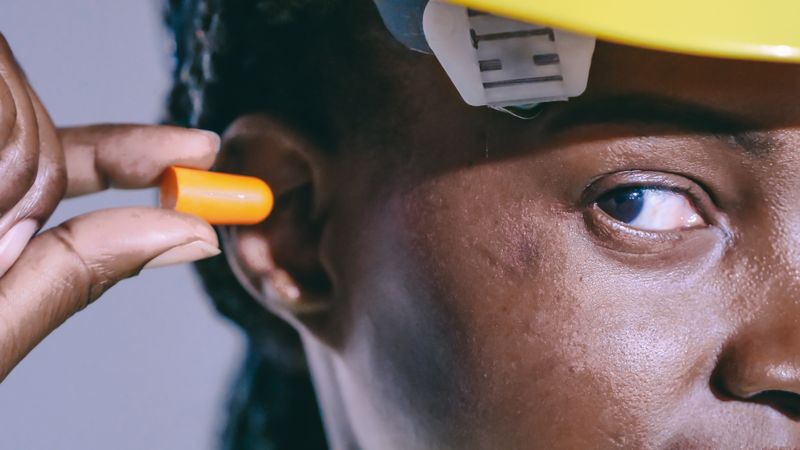
- 5. Fit your earbuds properly. A sealed fit blocks outside noise and lets you listen more quietly — try the different tip sizes in the box.
- 6. Take listening breaks. Your ears recover during silence. Build quiet periods into long listening days, especially after loud environments.
- 7. Never sleep with earbuds playing. Eight hours of even moderate volume adds an enormous chunk to your weekly sound dose — and increases the risk of ear wax buildup and ear infections.
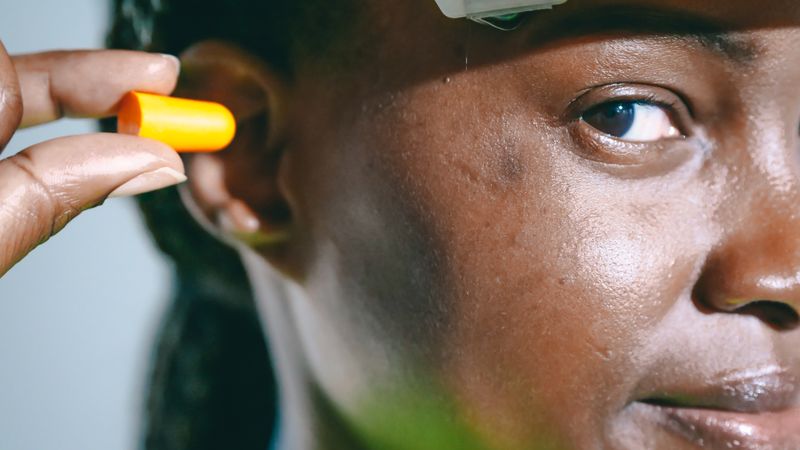
- 8. Carry filtered earplugs for live events. Modern musician-style earplugs lower volume without muffling sound. At festivals and gigs this summer, they are as essential as sunscreen — see our guide to protecting your hearing.
- 9. Get a baseline hearing test. You cannot manage what you have not measured. A professional test detects early high-frequency damage years before you would notice it yourself.
The Technology Is Finally Catching Up
Regulators and manufacturers are slowly responding to the safe listening crisis. EU and UK standards (EN 50332) require personal audio devices to warn users when volume exceeds 85 dB, and smartphones sold in the UK now display alerts when you push past safe limits — alerts that most users, unfortunately, dismiss without reading.
More promisingly, hearing health features are moving into mainstream consumer devices. Apple's AirPods Pro now include a clinically validated hearing test feature, available to UK users, based on pure-tone audiometry — the same fundamental method used in clinics. Loud-sound reduction, adaptive transparency modes, and real-time environmental noise warnings via smartwatches are all becoming standard.
These tools are genuinely useful for awareness, but they are screening aids, not diagnostics. A consumer earbud test cannot examine your ear canal, rule out wax blockage or medical causes, or produce a clinical audiogram reviewed by a professional. If a device test flags a problem — or you simply have not had a proper test as an adult — the next step is a full assessment with an audiologist.
When to Get Your Hearing Tested
The RNID estimates people wait an average of 10 years between first noticing hearing difficulty and seeking help. For headphone-related damage, that delay is costly: early detection allows you to change habits while you still have hearing to protect.
Book a hearing test promptly if any of these apply:
- You experience ringing, buzzing, or muffled hearing after using headphones
- You listen with headphones for more than two hours a day, most days
- Your phone's headphone safety feature regularly warns you about volume
- You struggle to follow conversation in noisy places
- You have never had a baseline hearing test as an adult
Hearing tests are quick, painless, and widely available on the high street — often free. Regular testing every two years (or annually if you are a heavy listener, musician, or work in noise) turns an invisible risk into a measurable, manageable one. Read our guide on how often to have a hearing test for personalised guidance.
Frequently Asked Questions
Can headphones really cause permanent hearing loss?
Yes. Sustained listening above roughly 85 dB progressively destroys the cochlea's hair cells, which never regenerate. Earbuds can reach 100–110 dB at full volume — enough to cause permanent damage within minutes. The damage is cumulative, so moderate daily overexposure over years produces the same result as occasional extreme exposure.
Are noise-cancelling headphones better for your hearing?
Indirectly, yes. Noise cancellation removes background rumble, so you no longer need to raise the volume to drown it out. Commuters using ANC typically listen at meaningfully lower volumes. The technology only helps, however, if you keep the volume down once the background noise is gone.
What volume is safe for headphones?
Keep average listening at or below 80 dB — roughly 60% of maximum volume on most devices — and follow the WHO guideline of no more than around 40 hours per week at that level. Louder listening is acceptable only in much shorter doses: safe time halves with every 3 dB increase.
Is ringing in my ears after listening to music serious?
Temporary tinnitus after loud sound is a warning that your hearing has been stressed beyond safe limits. Occasional episodes usually fade, but each one indicates exposure that may cause cumulative damage. If ringing persists beyond 48 hours, or becomes frequent, book a hearing test and read our tinnitus guide.
Can hearing damage from headphones be reversed?
No — noise-induced hearing loss is permanent, because destroyed hair cells do not grow back. Treatment focuses on preventing further damage and, where needed, hearing aids. This is why audiologists emphasise prevention and early baseline testing so strongly.