One of the most common concerns people have when they first get hearing aids is whether they can continue to exercise, play sport, and lead an active lifestyle. The short answer is yes — absolutely. Modern hearing aids are designed to be worn throughout daily life, including during physical activity. But the question deserves more than a simple reassurance. Sweat, moisture, sudden impacts, wind noise, and the risk of a device coming loose are all real challenges that require practical solutions. The good news is that with the right accessories, maintenance routine, and a little planning, there is no reason why hearing aids should hold you back from staying fit, competitive, and healthy.
In fact, staying active is not just compatible with wearing hearing aids — it is actively beneficial for your hearing health. Let`s explore why exercise matters, what the challenges are, and how to overcome every one of them.
Why Staying Active Matters for Hearing Aid Users
The NHS recommends that adults aim for at least 150 minutes of moderate aerobic activity per week, alongside strength exercises on two or more days. These guidelines apply equally to people with hearing loss, and there is growing evidence that cardiovascular fitness directly supports auditory health. The cochlea — the tiny, snail-shaped organ in the inner ear responsible for converting sound waves into nerve signals — depends on a rich blood supply to function properly. Research published in the American Journal of Audiology has shown that higher cardiovascular fitness is associated with better hearing, particularly in older adults.
Exercise also reduces the risk of conditions that can accelerate hearing decline, including type 2 diabetes, high blood pressure, and obesity — all of which are linked to restricted blood flow to the inner ear. A 2023 study from Brigham and Women`s Hospital found that women who walked at least two hours per week had a 15 per cent lower risk of age-related hearing loss compared with those who walked less than one hour. The message is clear: an active lifestyle is one of the best things you can do for your long-term hearing.
The Main Challenges of Exercising with Hearing Aids
Understanding the specific risks helps you address them effectively. There are four primary challenges:
- Moisture and sweat damage: Hearing aids contain sensitive electronic components — microphones, receivers, microchips, and batteries — that can be damaged by prolonged exposure to moisture. Sweat is particularly corrosive because it contains salt, which accelerates oxidation of metal contacts and can block microphone ports. Over time, unchecked moisture exposure shortens the lifespan of even the most robust devices.
- Retention during movement: Behind-the-ear (BTE) and receiver-in-canal (RIC) devices can shift or fall out during vigorous activity, particularly during running, jumping, heading a football, or any movement involving rapid changes of direction. Losing a hearing aid mid-run is not just inconvenient — replacement costs for private devices can range from £500 to £3,500 per ear.
- Impact risk in contact sports: Sports such as rugby, football, boxing, martial arts, and cricket carry a risk of blows to the head or ear that could dislodge, crush, or shatter a hearing aid. Beyond device damage, a forceful impact could push a hearing aid further into the ear canal, causing injury.
- Wind noise outdoors: Cycling, running, golf, and sailing all expose hearing aid microphones to wind, which can create an overwhelming roaring noise that masks speech and environmental sounds. While many modern hearing aids have wind noise management algorithms, outdoor sport remains a common frustration.
Sweat and Moisture Protection
Moisture management is the single most important consideration for active hearing aid users. Fortunately, there are multiple layers of protection available.
Hearing aid sweatbands and covers
Small fabric sleeves that fit over behind-the-ear devices absorb sweat before it reaches the electronics. Brands such as Ear Gear and HearDefenders make purpose-built covers in a range of sizes and colours — some even feature clips to secure the device to your clothing. These are inexpensive (typically £15 to £30), washable, and highly effective for gym sessions, running, and outdoor exercise.
IP ratings explained
Most modern hearing aids carry an Ingress Protection (IP) rating that indicates their resistance to dust and water. The rating consists of two digits: the first relates to solid particle protection (dust), the second to liquid protection. An IP67 rated device is dust-tight and can withstand temporary immersion in up to one metre of water for 30 minutes. An IP68 rating means dust-tight protection with resistance to continuous submersion beyond one metre — the exact depth and duration vary by manufacturer. While no hearing aid should be deliberately submerged for swimming, an IP68 rating provides excellent protection against sweat, rain, and accidental splashes. When choosing hearing aids, ask your audiologist about the IP rating if you are physically active.
Drying kits and electronic dehumidifiers
After every exercise session, wipe your hearing aids with a soft, dry cloth and open the battery door (if applicable) to allow air circulation. For daily drying, place your devices in a dedicated drying kit overnight. Basic desiccant pots cost just a few pounds, but for serious athletes or anyone exercising regularly, an electronic dehumidifier is a worthwhile investment. Products such as the Dry & Store and PerfectDry Lux use gentle heat, airflow, and UV light to remove moisture, kill bacteria, and extend the life of your devices. Most audiologists — including those at Boots Hearingcare and Specsavers Audiology — stock these accessories or can recommend a model.
Daily maintenance after exercise
Beyond drying, a quick post-workout routine makes a significant difference. Use a soft brush or wax pick tool to clear any debris from microphone ports and receiver openings. If your hearing aids use disposable batteries, check for signs of corrosion on the battery contacts. For rechargeable devices, ensure the charging contacts are clean and dry before placing them in the charger. This two-minute routine after each session can add years to the life of your hearing aids. For a full maintenance guide, see our article on hearing aid maintenance.
Retention Solutions: Keeping Hearing Aids Secure
Preventing hearing aids from falling out during exercise is straightforward with the right accessories.
- Sport clips and lanyards: These attach the hearing aid to your clothing via a thin cord, so if the device does come loose it hangs safely rather than falling to the ground. Particularly useful for running, gym work, and any activity with overhead movement.
- Ear hooks and sport locks: Flexible silicone attachments that loop around the outer ear, providing a more secure fit than the standard tubing or receiver wire alone. Many hearing aid manufacturers include sport locks as an optional accessory, and generic versions are widely available for under £10.
- Custom ear moulds: For users with receiver-in-canal or behind-the-ear devices, custom-moulded ear tips — made from a silicone impression of your ear — provide the most secure retention available. They are precisely shaped to your individual ear anatomy, virtually eliminating the risk of the device working loose during exercise. Ask your audiologist about custom moulds at your next hearing aid fitting or aftercare appointment.
- Headbands and sport caps: Wearing a moisture-wicking headband or sport cap over behind-the-ear devices provides an additional layer of security and sweat absorption. This is especially effective for running, tennis, and gym workouts.
Ready to get your hearing checked?
Enter your postcode to compare audiologists and book today.
Find appointments →Activity-by-Activity Guide
Gym and weightlifting
Hearing aids are generally safe to wear during gym workouts, including weightlifting. The main risks are sweat and the occasional knock from a barbell or dumbbell. Wear sweatbands or covers, and consider sport clips if you are doing overhead presses or movements where your head tilts significantly. Wipe your aids during rest periods if sweating heavily.
Running and jogging
Running is one of the most popular activities among hearing aid users, and modern devices handle it well. Use ear hooks or sport locks for retention, and choose hearing aids with wind noise management if you run outdoors. Bluetooth-enabled hearing aids allow you to stream music, podcasts, or running apps directly from your phone — eliminating the need for separate earphones. Be aware of road traffic and other hazards: hearing aids improve your situational awareness compared with earphones that block external sound.
Cycling
Wind noise is the biggest challenge for cyclists wearing hearing aids. Many premium devices include multi-microphone wind noise reduction, but at higher speeds even the best algorithms struggle. A cycling cap or thin balaclava under your helmet can reduce wind hitting the microphones. Some cyclists choose to remove their hearing aids for solo rides on quiet trails but wear them for road cycling where traffic awareness is essential.
Yoga and Pilates
These low-impact activities are generally hearing-aid-friendly, with minimal sweat and no impact risk. The main consideration is comfort when lying on your side — behind-the-ear devices can press against your ear during floor work. If this is uncomfortable, speak to your audiologist about a smaller or more discreet device style. Being able to hear your instructor clearly is important for following cues, making hearing aids particularly valuable in group classes.
Team sports: football, cricket, and rugby
For non-contact positions in football and cricket, hearing aids can usually be worn safely with sport clips and ear hooks. However, for contact positions — goalkeepers, defenders in football, close fielders in cricket, and all positions in rugby — most audiologists recommend removing hearing aids to avoid impact damage and potential injury. Discuss sport-specific ear protection with your audiologist, and consider a hearing assessment to ensure your unaided hearing is sufficient for on-pitch communication.
Racquet sports
Tennis, badminton, squash, and padel are generally safe for hearing aid users. The main risk is the occasional ball or shuttlecock strike, which is rare. Sport clips provide peace of mind, and the ability to hear the ball clearly can actually improve your game.
Golf
Hearing aids are an advantage on the golf course — hearing the strike of the club on the ball provides important auditory feedback. Wind noise can be an issue on exposed courses, but devices with directional microphones and wind management largely mitigate this. There is no impact risk, and sweat is rarely a problem. Golf is one of the easiest sports to enjoy with hearing aids.
Swimming and water sports
This is the one area where caution is paramount. Remove your hearing aids before entering the water unless you are using a device specifically designed and rated for swimming — and even then, check the manufacturer`s specific guidance. Chlorine, salt water, and pressure can all damage hearing aid components. For swimmers who need to hear in the water, specialist waterproof hearing aids and cochlear implant accessories exist but are niche products. Store your hearing aids in a waterproof case poolside, and use a drying kit after any exposure to humid pool environments. For more on water-related ear health, see our guide to barotrauma.
Martial arts and contact sports
For boxing, judo, karate, taekwondo, and similar disciplines, remove your hearing aids during sparring and competition. The risk of impact damage is too high, and a device driven into the ear canal by a blow could cause injury. Wear them during warm-ups and technique drills if helpful, but remove them before contact work.
Skiing and winter sports
Cold temperatures can reduce battery life in hearing aids, particularly those using disposable zinc-air batteries. Rechargeable lithium-ion batteries perform better in cold conditions. Wear a headband or helmet liner that covers the ears to keep your devices warm, and carry spare batteries in an inside pocket close to your body heat. Wind noise is a significant challenge at speed — helmet-compatible headbands and devices with strong wind management algorithms help considerably.
Hearing Protection During Loud Fitness Classes
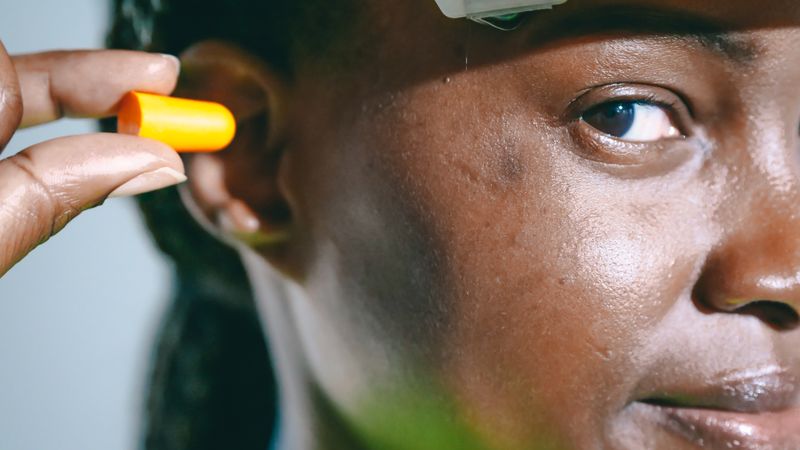
While this article focuses on wearing hearing aids during exercise, it is worth noting that some fitness environments pose a risk to hearing health — for everyone, not just hearing aid users. Indoor spinning studios, HIIT classes, and group exercise sessions with amplified music routinely reach 95 to 110 decibels, well above the 85 dB threshold at which noise-induced hearing loss can occur. If you attend loud fitness classes regularly, consider wearing hearing protection — filtered earplugs such as those designed for musicians reduce volume while preserving the instructor`s voice and music quality. Some hearing aids also have a noise limiter programme that can be activated in loud environments — ask your audiologist about this feature.
Bone Conduction Headphones as a Complement
For hearing aid users who want to listen to music, podcasts, or navigation prompts during exercise, bone conduction headphones (such as the Shokz OpenRun range) can be a useful complement. These headphones sit in front of the ear and transmit sound through the cheekbone directly to the cochlea, leaving the ear canal open. They can be worn alongside behind-the-ear hearing aids without interference, and they do not block environmental sounds — an important safety consideration for runners and cyclists. However, if your hearing aids have Bluetooth streaming, you may not need separate headphones at all.
What to Do If Your Hearing Aids Get Wet
Accidents happen. If your hearing aids are exposed to water, sweat, or rain beyond normal use, act quickly:
- Remove the hearing aids immediately and switch them off
- Open the battery door or remove the battery (for disposable battery models)
- Shake out any visible water gently — do not use a hairdryer, microwave, or oven
- Wipe the exterior with a soft, dry cloth
- Place the devices in an electronic dehumidifier or a sealed container with silica gel desiccant packets for at least 24 hours
- Do not attempt to switch them on until they are completely dry
- If they do not function normally after drying, contact your audiologist for assessment — many issues caused by moisture exposure are repairable
NHS vs Private Hearing Aids for Active Users
Both NHS hearing aids and private devices can be worn during exercise. NHS hearing aids are robust, well-supported, and replaced free of charge if damaged. However, they tend to be limited to a smaller range of behind-the-ear models with fewer premium features such as advanced wind noise management, high IP ratings, or Bluetooth streaming. Private hearing aids offer a wider choice of styles, including custom-fit in-the-ear devices and models specifically designed for active lifestyles. If sport and exercise are central to your life, discuss your activity level with your audiologist during your hearing aid fitting — they can recommend devices and accessories that match your needs and budget.
Practical Checklist for Exercising with Hearing Aids
- Invest in hearing aid sweatbands or covers for any activity involving perspiration
- Fit sport clips or a lanyard as a safety net during vigorous movement
- Ask your audiologist about custom ear moulds if retention is a recurring issue
- Wipe your hearing aids with a dry cloth after every exercise session
- Use an electronic dehumidifier or drying kit overnight, every night
- Check and clean microphone ports and battery contacts regularly
- Remove hearing aids for swimming, water sports, and full-contact sparring
- Carry a protective case in your gym bag for safe storage when aids are removed
- Ask your audiologist about wind noise management programmes for outdoor sport
- Consider hearing protection in loud fitness classes, even if you wear hearing aids
- Keep your audiologist informed about your activity level — they can adjust settings and recommend accessories
Staying active with hearing aids is not just achievable — it is strongly encouraged. The physical, mental, and social benefits of regular exercise far outweigh the minor inconveniences of managing your devices during sport. With the right preparation, accessories, and maintenance routine, your hearing aids will support you through every workout, match, and adventure. If you have not had your hearing checked recently, or if you are considering hearing aids and wondering how they will fit your active lifestyle, find your nearest audiologist and book a consultation today.